The short answer
The jelly stick is a delivery format, not a magic ingredient. Korea's supplement industry perfected the single-serve "stick pouch" years ago — collagen jellies, red-ginseng sticks, vitamin jellies are convenience-store staples there — and the format is now crossing over to Western wellness. Its genuine advantages: portion control, no water needed, and adherence (people keep habits that taste like dessert). The right skepticism: a jelly is only as good as what is in it — check the fiber grams, the sugar line and the actual doses, exactly as you would for a capsule.
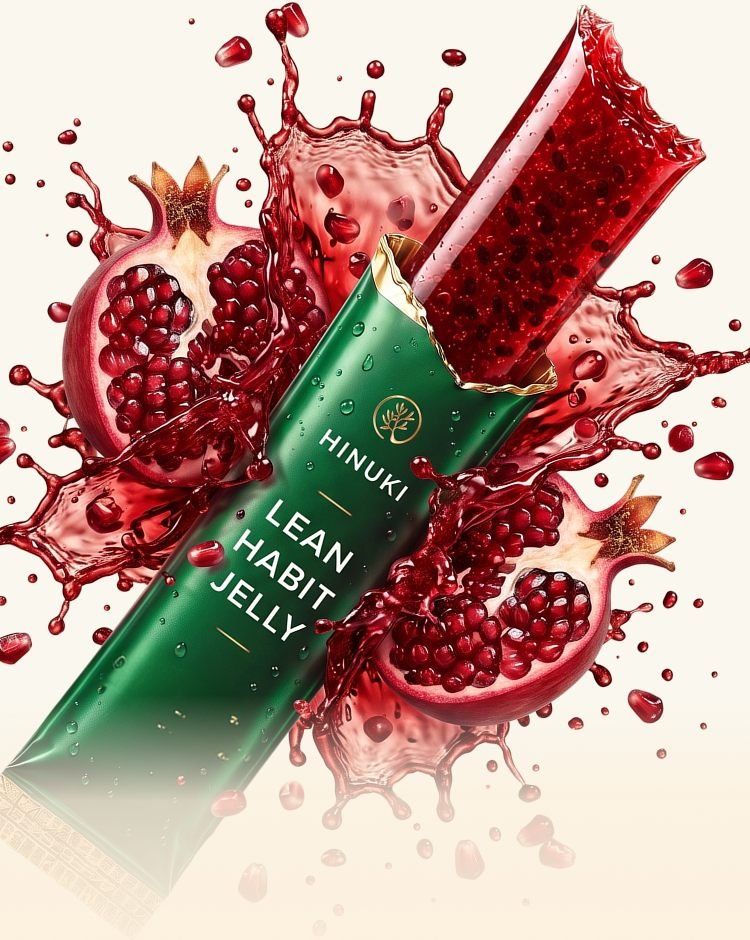
First it was K-beauty in your bathroom cabinet. Then K-food in your grocery aisle. The latest arrival from Seoul's formidable consumer-product machine is the wellness jelly stick: a slim, tear-open pouch of flavored jelly that promises to make supplements feel like a treat instead of a chore. Here is how the format earned its place — and how to judge any product wearing it.
Where the format comes from
In South Korea, the stick-pouch jelly has been a mainstream supplement format for years, not a novelty. Red ginseng jelly sticks are a classic gift for parents; collagen and vitamin jellies sit at every convenience-store checkout; the form factor is engineered for handbags, desks and commutes. The country's combination of a huge functional-food industry and an unforgiving convenience culture produced a format that solves real problems: no water, no measuring, no pill fatigue.
What is new in 2026 is the crossover: Western brands adopting the format for Western goals — fiber, appetite support, gut health — and Western consumers meeting the idea that a supplement can be genuinely pleasant.
What the format genuinely does better
- Adherence — the quiet superpower. The best-documented failure mode of supplements is abandonment. A format people look forward to converts "I should take this" into "I get to have this", and that is worth more than an extra exotic ingredient.
- Built-in portion control. One stick is one dose. No heaping scoops, no "was that two or three capsules?", no eating half the gummy jar — a real risk with candy-like formats sold in bottles.
- No water, no prep. Chewed straight from the pouch after a meal — which happens to be the moment fiber does its best satiety work.
- It can replace a worse habit. A ~50-calorie sweet jelly that closes the meal often substitutes for a genuine dessert or snack. The swap itself can matter more than the ingredient list.
Which claims deserve your skepticism
The format is honest; marketing around it is not always. Our filter, applied to any jelly stick product:
- "Melts fat" / "blocks calories" — walk away. No jelly does this. Appetite support via fiber is plausible; fat destruction is not.
- Check the fiber grams. A satiety jelly stands or falls on its fiber content. 4g+ per stick is meaningful; 1g is decoration. If the number is not on the label, that is your answer.
- Check the sugar line. A "wellness" jelly with 8g of added sugar is a candy with a marketing department. Look for low totals and no added sugar.
- Judge exotic headliners at their real strength. Garcinia, teas, botanical extracts: research is typically modest. They can ride along; they should not be the reason you buy.
- Read the checkout, not just the label. Many jelly brands sell via subscription by default. That is fine when disclosed — but know your billing terms and the cancellation email before you order.
The bottom line
The Korean jelly stick earns its popularity for boring, legitimate reasons: it makes a daily habit easy, pleasant and correctly dosed. Treat the format as a delivery vehicle, apply the same label scrutiny you would to any capsule, and it is a genuinely useful addition to the wellness toolbox — no K-hype required.